
The influence of color psychology on the design of the modern dental clinic: How to choose an anxiety-reducing color scheme?
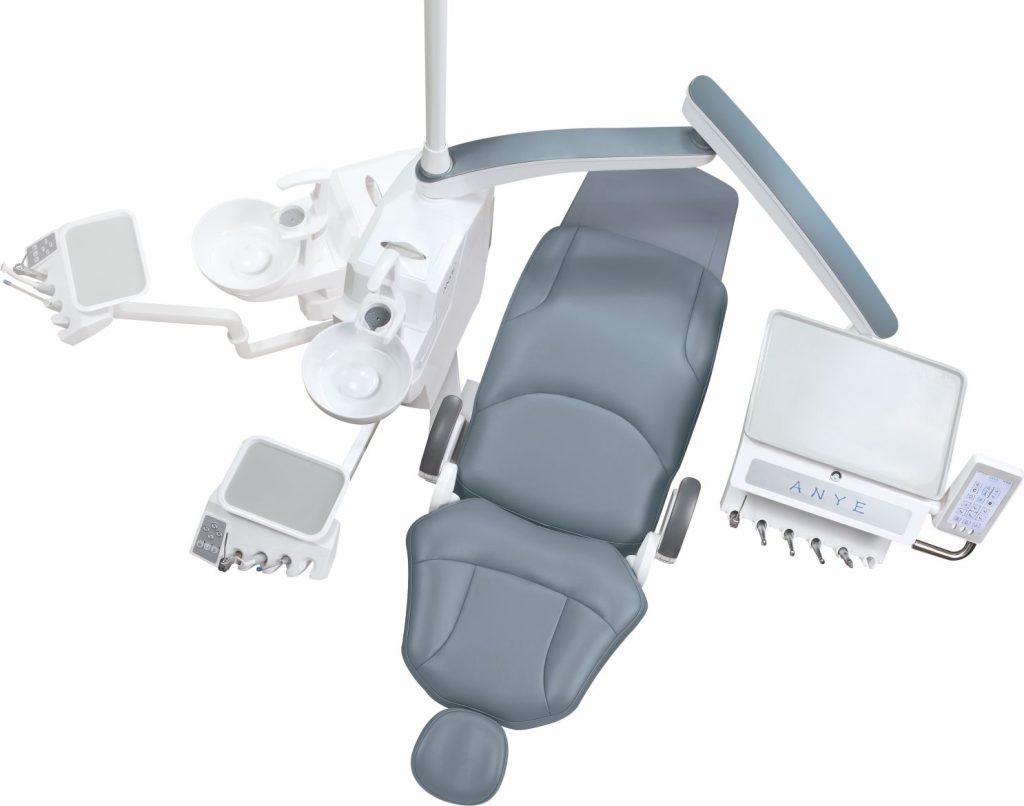
When architecturally designing medical spaces, and dental clinics in particular, the choice of colors has a direct and profound impact on the user experience. Numerous studies in the field of environmental psychology show that the colors that dominate a space have the ability to influence the patient’s heart rate, blood pressure, and perception of time. For a significant portion of the population suffering from varying levels of dental anxiety, proper interior design based on color psychology in design can be a passive therapeutic tool for reducing stress.
While in the past the design concept of clinics was based on bright white or alienating green colors in an effort to convey sterility, the modern trend understands that these spaces often create a sense of threat and alienation.
Below is an analysis of the leading color schemes currently used in clinic design and their clinical impact:
1. Deep blue and sage green: physiological calming
Blue and green are considered short-wavelength colors, identified in professional literature as calming and heart-rate-lowering colors.
-
Impact in the space: Combining navy blue or sage green on the walls of a waiting room or on the upholstery of a dental unit creates a sense of stability, peace, and security. These colors are reminiscent of elements of nature and help to divert the patient’s thoughts from the medical procedure they are about to undergo.
2. Earthy tones and warm neutrals (Beige, Taupe): creating homeliness
The transition to using recommended colors for dental clinics based on shades of sand, grey-beige, and natural wood is intended to break the cold sterility.
-
Impact in the space: Warm and neutral colors convey warmth, hospitality, and homeliness. Using these tones in the reception area immediately lowers the patient’s defenses and gives the feeling of entering a protected space rather than a rigid medical institution.
3. Slate gray and graphite touches: luxury and professional authority
Dark gray shades serve as a design anchor in specialist clinics that seek to convey technological advancement and the highest clinical level.
-
Impact in the space: Modern gray, when combined correctly with warm lighting, creates a minimalist, clean, and luxurious look. It emphasizes expertise and precision, but it should be applied sparingly and in combination with natural materials to avoid a feeling of gloom.
4. Colors to avoid or limit: Long wavelength colors
Bright, warm colors such as red, orange, or phosphorescent yellow are stimulating and energizing colors that increase the activity of the sympathetic nervous system.
-
Impact in the space: Using red in a dental clinical space may evoke a subconscious association with blood or danger and increase anxiety levels. If you want to incorporate warm colors, it is recommended to choose subdued terracotta shades or very small touches in complementary accessories only.
An informed choice of a harmonious and scientific color scheme is an integral part of a relaxing dental clinic design strategy. It allows the medical team to begin the interaction with the patient when he is in a calmer and more relaxed physiological state.


