Cast Aluminum Frame vs. Plastic: Why Chair Stability Determines Its Lifespan?
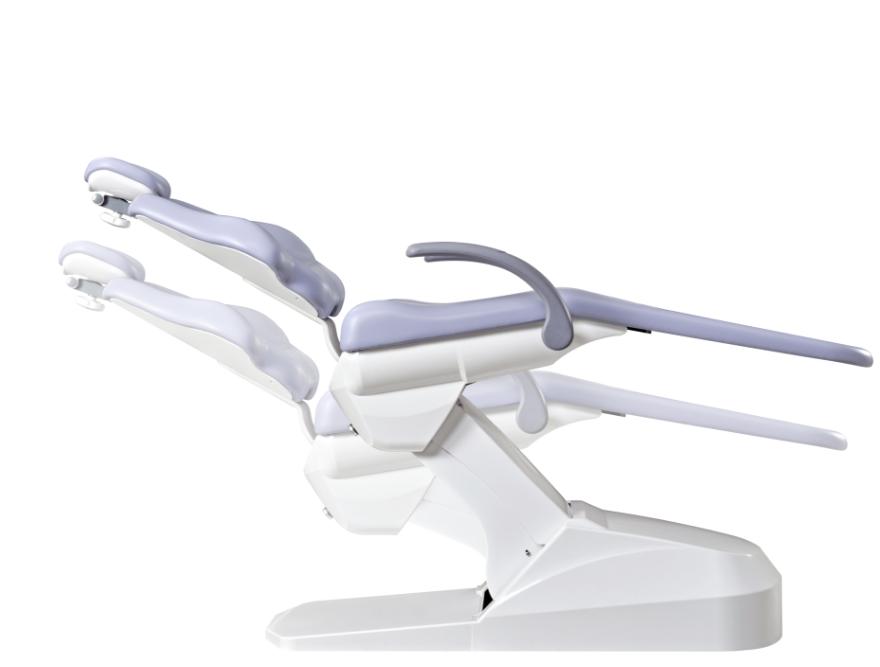
When dentists choose quality dental equipment for their clinic, the eye naturally tends to focus on the external design, upholstery color, and pump technology. However, the professional truth is that the lifespan of the dental unit, its stability during operation, and patient safety are determined in one place that usually remains hidden from view: the mechanical frame and instrument tray base.
In the field, there are profound differences in the materials from which these systems are constructed. While inexpensive and simple units are based on rigid plastic parts or simple metals, premium units are designed with internal frames and central components made from cast aluminum.
Why is the material from which the instrument tray base and frame are made so critical to the success of your treatments? Here are the main reasons.
1. Prevention of Mechanical Vibrations During Delicate Work
Dentistry is a profession of millimetric precision. Whether you are performing crown preparation, microscopic root canal treatment, or complex surgery, your hand instruments must be completely stable. Instrument trays made of plastic tend to suffer from excessive flexibility and transmit small vibrations from the motors and turbines to the doctor’s hand. In contrast, a lower base made of cast aluminum provides absolute structural rigidity, absorbs fluctuations, and enables remarkably quiet, stable, and precise work.
2. Resistance to Material Fatigue and Disinfectants
A dental clinic is a challenging environment for materials. The equipment is exposed daily to particularly strong disinfectants designed to prevent infections, alongside constant weight load from heavy instruments placed on the tray. Plastic parts tend to change color (yellow), become brittle over the years, and crack in screw areas due to material fatigue. Cast aluminum, on the other hand, is not affected by disinfectants, does not rust, and maintains its original mechanical properties even after decades of intensive work.
3. Weight Bearing and Proper Load Distribution
The instrument tray and the arms supporting it often hold valuable equipment—from turbines and micro-motors to intra-oral cameras and small devices. A cast aluminum base ensures that the mechanical arms do not sag over time and eliminates the need for constant adjustment of the stabilizing screws.
A Smart Long-Term Investment
In the clinic’s economic calculation, purchasing a unit with a stable aluminum frame dramatically reduces the need to order spare parts for dental units and minimizes wear on moving joints. This is the difference between equipment that lasts 4-5 years and a professional system that works like new even after a decade.


